Henrik Klein · 7 September 2026
How Historical Domain Data Can Reveal Potential Indexing Delays After Platform Switches
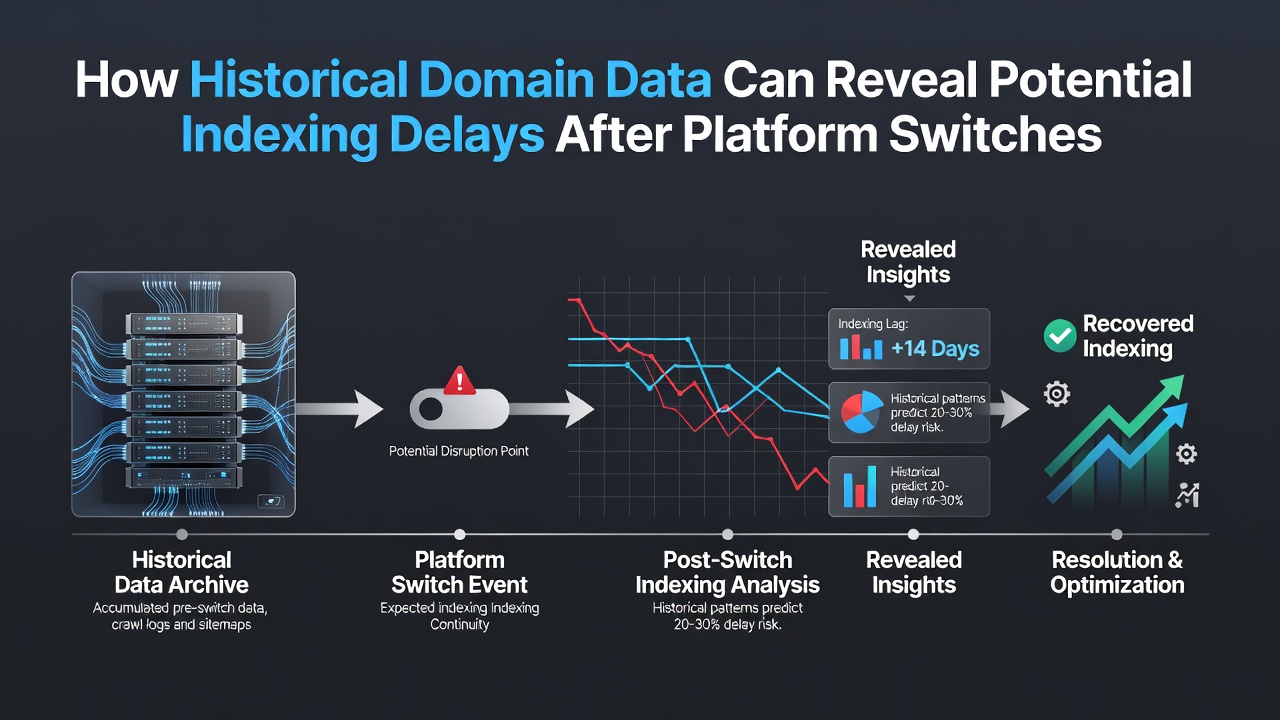
Platform switches often involve changes to content management systems, hosting environments, or underlying architectures, and historical domain data offers a clear window into how these transitions affect search engine indexing timelines. Observers note that records from web archives, server logs, and crawl histories allow analysts to track when pages drop from or reappear in search indexes following such moves. Data from multiple studies indicates that indexing delays can range from days to several weeks depending on the scale of the migration and the technical adjustments made during the process.
Patterns in Domain History Records
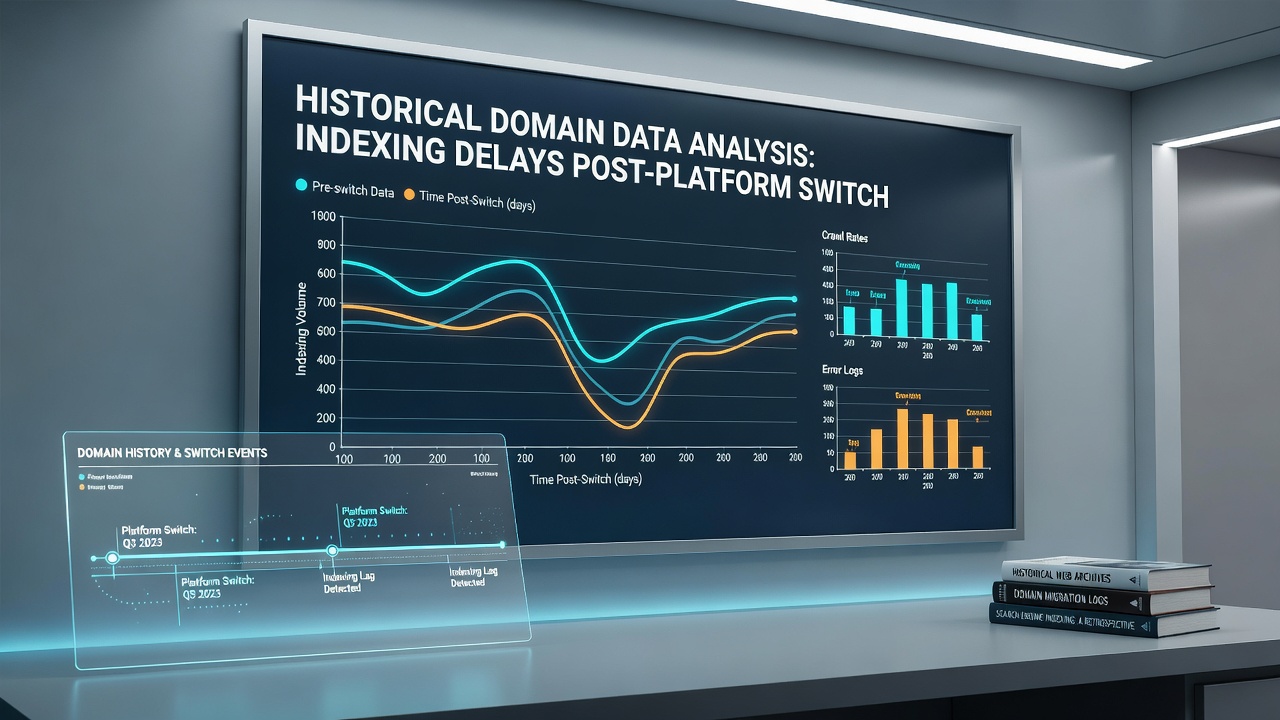
Historical snapshots captured by archiving services reveal shifts in crawl frequency and URL status codes around migration dates, while researchers have tracked how search engines reprocess content after server redirects and sitemap updates take effect. Those who study these records find that sudden changes in response headers or content delivery networks frequently coincide with temporary drops in indexed pages, and figures from industry reports show that sites with extensive backlink profiles sometimes experience longer recovery periods than smaller domains. Analysts examine Wayback Machine captures alongside Google Search Console data to identify the exact points where indexing stalled or resumed after the platform switch occurred.
Technical Indicators of Delays
Log file analysis provides granular detail on when crawlers first encounter new infrastructure, and evidence suggests that robots.txt modifications or changes in canonical tag implementation can extend the time required for full reindexing. Studies from academic institutions across Europe and North America demonstrate that domains maintaining consistent URL structures during transitions tend to show shorter delays, whereas those undergoing extensive restructuring encounter more pronounced gaps between the migration date and the restoration of previous indexing levels. In September 2026, ongoing monitoring of large-scale platform migrations continued to highlight these timing differences across various industry sectors.
Case Examples from Recorded Migrations
One documented instance involved a mid-sized e-commerce site that moved from a legacy PHP system to a modern JavaScript framework, where historical crawl data showed a 14-day indexing lag before search engines fully processed the updated content. Another case tracked by researchers at an Australian university revealed that a news portal experienced a 22-day delay after switching hosts, with archive records confirming that crawl budget allocation shifted dramatically during the transition period. People who review these examples note that combining historical WHOIS data with indexing timelines helps pinpoint whether delays stemmed from domain registration changes or from the platform switch itself.
Methods for Analyzing Historical Data
Tools that aggregate past crawl statistics and archive versions enable systematic comparison of pre-migration and post-migration performance, and data shows that tracking changes in page speed metrics alongside index coverage reports yields more accurate delay estimates. Observers point out that cross-referencing server response logs with search engine API outputs helps isolate the impact of specific platform elements such as new database structures or CDN configurations. Reports from Canadian digital research centers indicate that organizations using these combined datasets achieve clearer identification of indexing bottlenecks compared to those relying solely on current metrics.
Broader Implications for Site Management
Historical domain data also supports planning for future platform switches by establishing baseline expectations for reindexing durations, while industry organizations emphasize the value of preserving detailed crawl histories before initiating any infrastructure changes. Evidence from multiple regions suggests that sites maintaining comprehensive migration logs recover indexing status more efficiently, and analysts continue to refine techniques for predicting delay lengths based on patterns observed in archived records. Internet Archive resources and academic publications provide foundational datasets that support these ongoing investigations.
Conclusion
Historical domain data serves as a reliable resource for identifying and understanding indexing delays that follow platform switches, offering measurable insights drawn from crawl histories, archive captures, and log analyses. Researchers across different regions continue to develop methods that leverage these records to improve migration outcomes and reduce recovery times. The patterns documented in these datasets remain central to technical assessments of how search engines respond to infrastructure transitions.